Emperor Hadrian

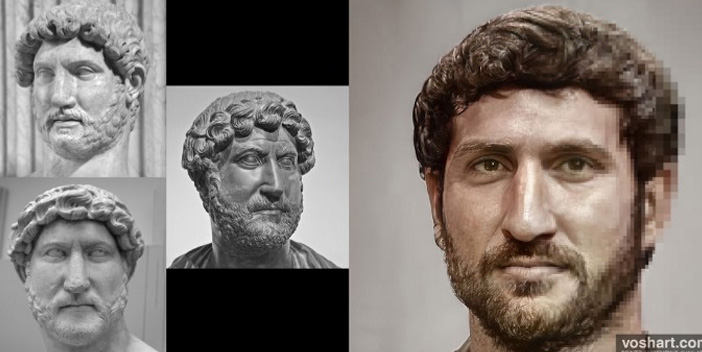
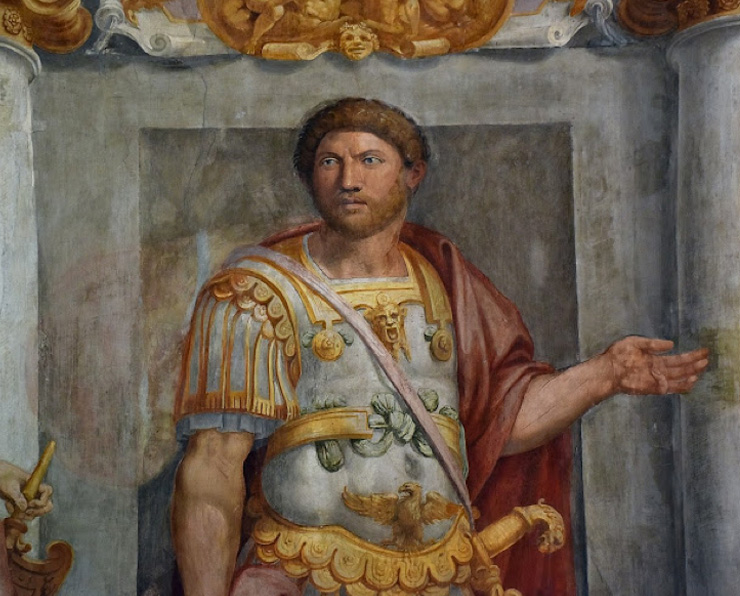
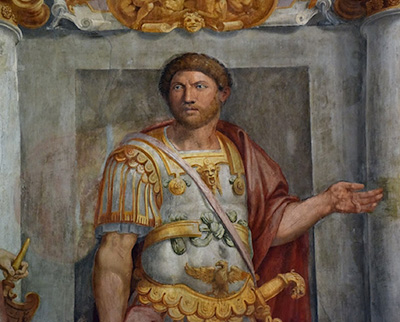
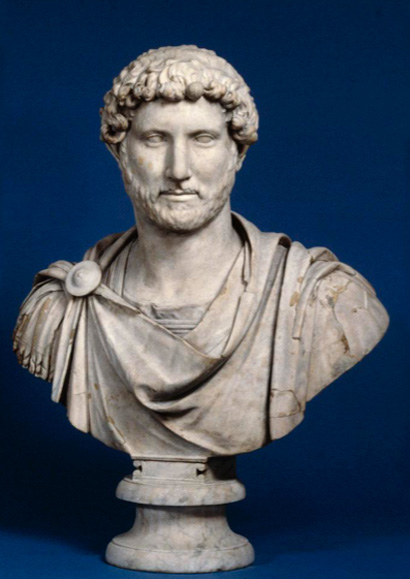
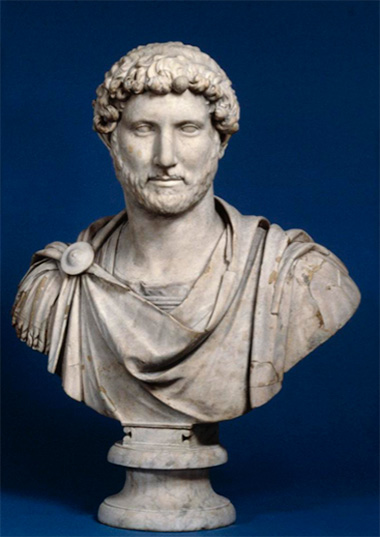
Emperor Hadrian was Roman emperor from 117 to 138. He was born in Spain and married the ruling emperor Trajan’s grandniece, opening his path to the throne.

As Emperor he seemed to have recognised Rome’s limitations and abandoned Trajan's expansionist policies in favour of developing strong defensible borders and a cohesive and unified Empire, which did not always make him popular at home. He was dynamic in the pursuit of his own Imperial ideals and personal interests and visited almost every province of the Empire, indulging a preference for direct intervention in imperial and provincial affairs, especially building projects.

He is particularly known for building Hadrian's Wall, which marked the northern limit of Britannia. In Rome itself, he rebuilt the Pantheon and constructed the vast Temple of Venus and Roma. As an ardent admirer of Greek culture, he promoted Athens as the cultural capital of the Empire and sought to achieve cultural unity across the Roman empire.

In the story of the Towers of Eden, Hadrian’s decision to build the Wall protecting Eden and Brittannia is caused by Meg the first spectral lady who reached out to him in dreams which he interpreted as deriving from the goddess Venus. His later construction of the temple of Venus in Rome was inspired by his encounter with the spectral lady on his visit to Eden in 122, as was his determination to protect the province by completing the wall.

The real Hadrian's last years were marred by illness and by an unhappy and childless marriage and when he died in 138 he was deified (which is perhaps why he was so comfortable in our story with his goddess!). Historians have numbered him amongst Rome's so-called "Five Good Emperors" and he is seen as having been a benevolent dictator. Modern sources describe him as enigmatic and contradictory, with a capacity for both great personal generosity and extreme cruelty and driven by insatiable curiosity, conceit, and ambition.

Whatever his faults, Eden and Brittania are grateful to him for the protective wall he built.
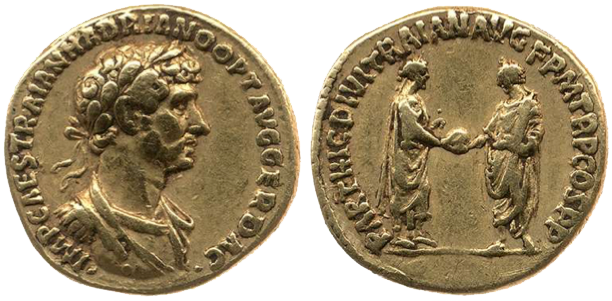
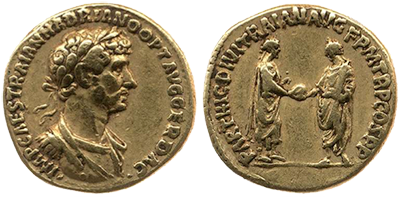
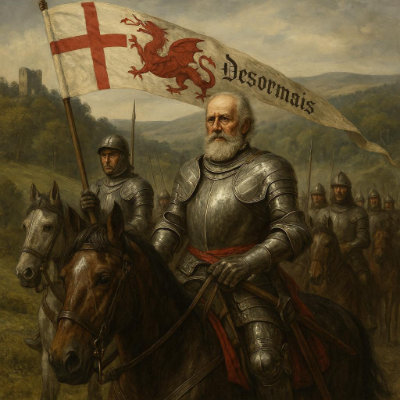
Emperor Hadrian coins
Sign up to our newsletter

for updates and announcements and to secure your copy of the Book as soon as it is delivered

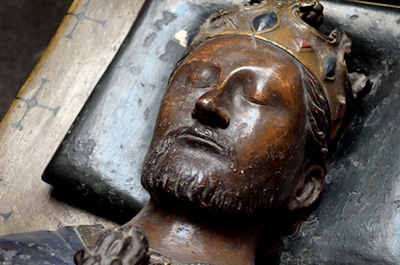
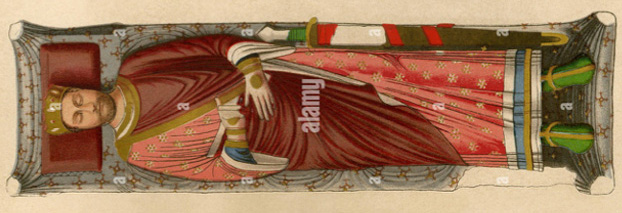
King Henry II

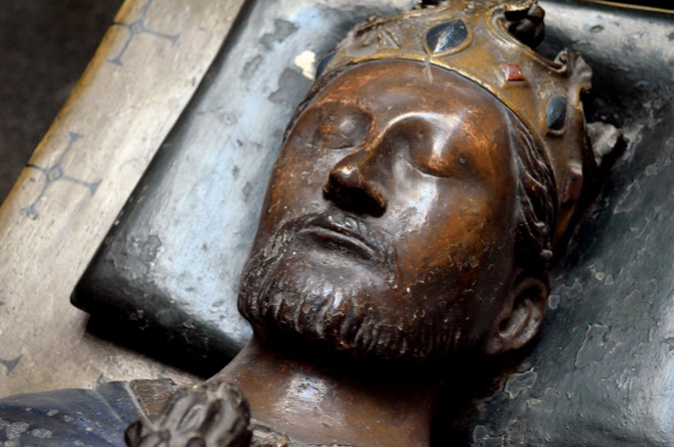
As is told in the Tales of the Towers of Eden, Henry II became surprisingly familiar with Eden at an early age, as he was knighted at Carlisle in 1149. At that time Eden had been reclaimed for Scotland by King David of Scotland, and Henry was sent to Carlise by his mother Queen Matilda who was contesting the English throne with his Uncle Stephen in a grim period of English history known as the Anarchy.

Henry’s father was the dynamic Duke Geoffrey Plantagenet of Anjou and his maternal grandfather was King Henry I of England. Henry was eventually to become the most powerful man in Europe, inheriting the Duchy of Anjou and Duchy of Normandy through his father, the Kingdom of England by settlement with Stephen, and finally obtaining the Duchy of Aquitaine from his amazing wife, Eleanor of Aquitaine - extending his rule from the Pyrenees to Hadrian's Wall.

Henry was dynamic, impetuous and temperamental, frequently travelling around his territories and confronting challenges directly, often in person. In later life this included challenges from his own sons who sought to carve their own domains from Henry’s empire independent from his control.

Eventually this relentless conflict was to wear Henry out and lead to his sad and lonely death abandoned by all except the loyalist of his knights, William Marshall.

In the tales of the Towers of Eden, the incognito Henry is the lone knight holding out at the Tower of Air, whose exploits are recorded in the chronicle of Jordan Fantosme. We never hear what happened to the lone knight who held the Tower, but in the world of The Towers of Eden, we have our own suggestion.

Sign up to our newsletter

for updates and announcements and to secure your copy of the Book as soon as it is delivered

William Marshall

William Marshall came to Eden at an important time in his eventful life.

He had risen as a result of his shrewd personality and unmatched knightly skills from being the unlanded son of a Wiltshire knight to the tournament champion of Europe and trainer of kings and princes. Henry II, who appears earlier in our tales, had selected The Marshall to be tutor to his rebellious eldest son Henry the Young King, but that had ended badly as the young man had run wild and caught a disease which brought him to a premature death, racked with guilt and regrets. Marshall had seen and participated in this and had then, in fulfilment of a deathbed promise, gone on pilgrimage to the holy land for three years. What happened there was never spoken about by the Marshall but he was a changed man when he came back and it seems he had become close to the Templars.

On his return in 1187 he had gone back into service with Henry II, just in time to see the final rebellion of Henry’s sons which broke the old king and led to his death at Chinon, abandoned by everyone except Marshall and his men. Before dying Henry had offered Marshall the wardship of Hawise of Kendal, the wealthy heiress of the Barony of Kendal in Eden, and this was confirmed by the new King Richard (who Marshall had defeated in battle whilst defending Henry).

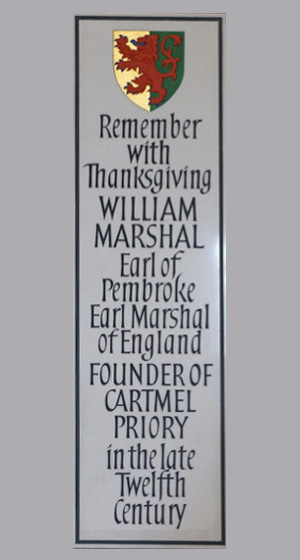
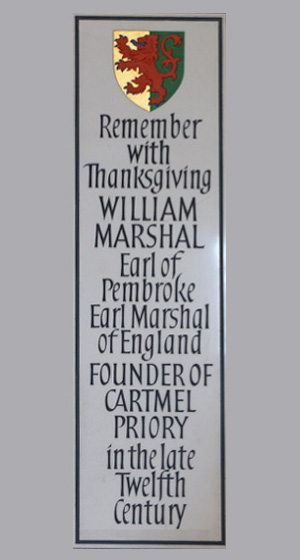
It is against this background that the events in tales of The Towers of Eden occur. The Marshall came to Kendal but did not, as expected, marry Hawise (he was later to marry the vibrant Isabel de Clare, Irish princess and heiress of Earl Richard “Strongbow”). Instead, he settled her estate and founded the priory of Cartmel which still stands in its pretty village.

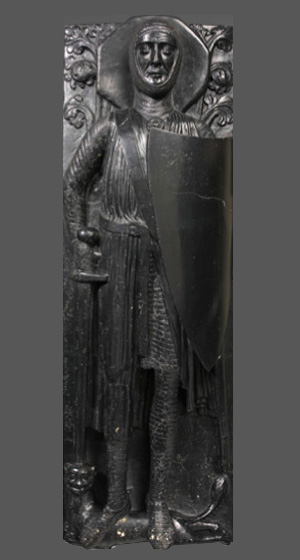
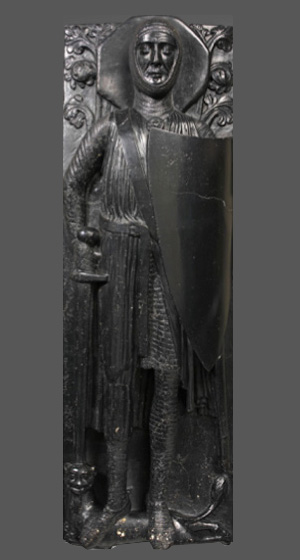
He was later to provide a stabilizing effect on the Plantagenet kings, promoting Magna Carta and settlement between the barons and King John and saving the kingdom for his 9-year-old son Henry III as regent. He died at age 73 and his tomb can still be seen at Temple church in London .

Marshall is rightly known as the Greatest Knight for his knightly qualities and his loyalty, courage, wisdom and tenacity. His full story is too long to repeat here but is told in one of the only contemporary non royal biographies, probably written by men of his “mesne” (household knights) - stranger and more compelling than fiction.

Sign up to our newsletter

for updates and announcements and to secure your copy of the Book as soon as it is delivered

King Edward I

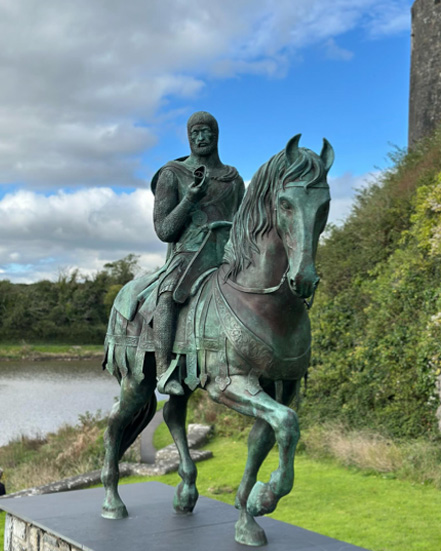
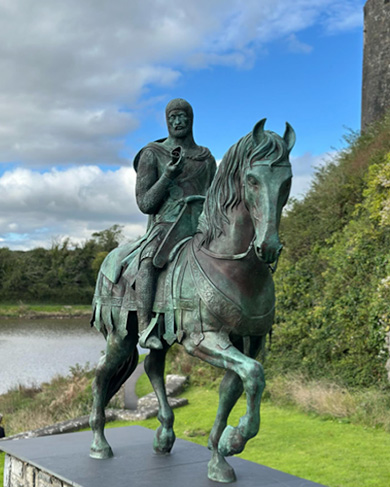
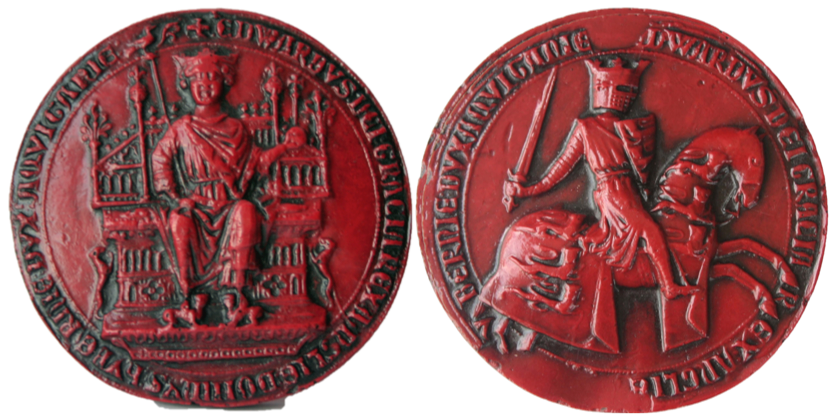
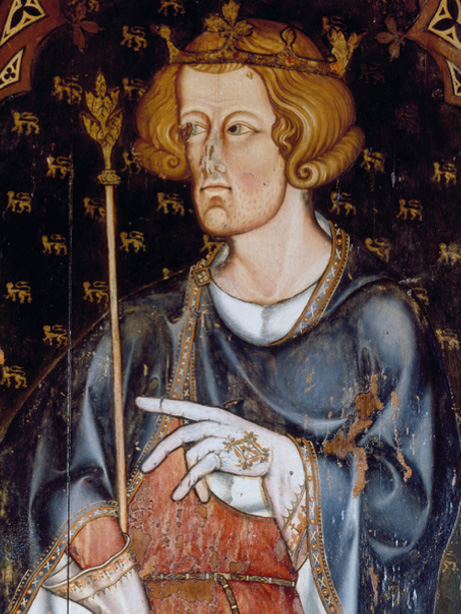
In the tales of The Towers of Eden we meet Edward as a young Prince, captured by rebels in the Baron’s wars and rescued by Roger Clifford in May 1265. Prince Edward was subsequently to go on Crusade to Acre with Clifford, where Edward survived an assassination attempt by a member of the Order of Assassins, sent by Sultan Baibars. Edward defeated the assassin in personal combat in the presence of his wife but was wounded in the arm by a poisoned blade and subsequently left Acre. Edwards own story is epic in many ways - he had left England a prince and returned a King.

Despite his understandably bad reputation with his enemies (courtesy of Hollywood), he sought to rule well, protecting his realm and people and brought stability, prosperity and law to England, which in some cases was to last centuries. He is known for having sought to stabilise his borders by the conquest of the independent territories of Wales and Scotland, and bought with him the architecture of curtain wall castles which he learned in the Holy Land and which transformed the major fortifications of England, including the Towers of Eden.

At the end of his life his story and Eden are closely linked and he used Eden as a base for his ongoing failed attempts to subdue Scotland, and for a while ran his government from Lanercost Priory. During this period, he visited the Towers and stayed in at least two of the them, meeting Roger and Robert Clifford. Edward was eventually to die in Eden at Burgh by Sands on 7th July 1307 on his way to another campaign at the age of 68.

King Edward
King Edward
Sign up to our newsletter

for updates and announcements and to secure your copy of the Book as soon as it is delivered

King Edward IV

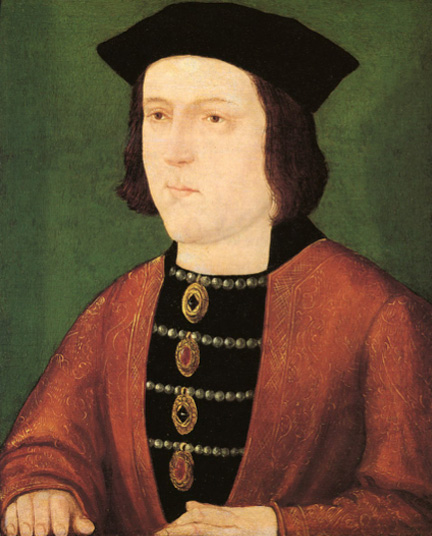
Edward IV was the tall, handsome and charismatic eldest surviving son of Richard Duke of York and was formerly known as the Earl of March.

He and his brother Richard were at the centre of the Wars of the Roses as leaders of the House of York after the death of their father at the hands of John Clifford at the battle of Wakefield.

Edward took up the vendetta started at St Albans and annihilated the Lancastrians at Towton in 1461 after which he deposed Henry VI and had himself crowned as Edward IV.

In his early years he relied strongly on Richard Neville Earl of Warwick and as a result had to flee to Flanders’s in 1470 when Warwick briefly reinstated Henry VI . Edward was popular in London however and this and support from Flanders’s enabled him to resume the throne in 1471 after Warwick was killed at Barnet. Not surprisingly Henry VI was found dead in the Tower of London soon after.

Edward reigned in relative peace for the next 12 years with all the Lancastrian claimants dead or in exile, and kept peace by giving up Englands claims in France for a large payment from French king Louis XI at the Treaty of Picquiny in 1475.

In the Towers of Eden Edward is one of the Yorkists who take up the vendetta against the Clifford’s (although he did actually reinstate Henry Clifford). Unfortunately for him and the Yorkist cause his son, briefly Edward V, disappeared in the Tower of London, leaving his brother Richard of Gloucester to take the throne as Richard III . In the Towers of Eden there is little doubt that young Edward and his brother, the princes in the tower, were murdered by Richard and his henchmen.

Sign up to our newsletter

for updates and announcements and to secure your copy of the Book as soon as it is delivered

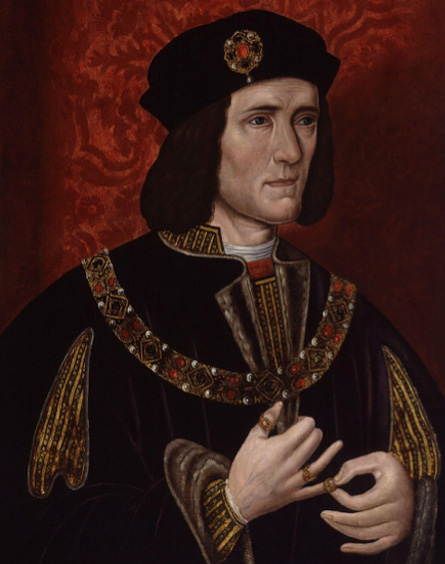
Richard III

Richard III is one of the better known medieval kings, thanks both to his traditional depiction by Shakespeare and, more recently, the discovery of his body in Leicester and rehabilitation by determined Ricardian supporters.

We now know what he looked like, how he died and much more about him - right down to the confirmation of his deformed back and slight figure.

He was the younger brother of Edward IV and would have grown up amidst the violence and vendetta of the Wars of the Roses for which his family was partly responsible.

It’s probably not far off the mark to say that his disabilities and status as younger brother made him cunning and volatile and prone to suspicion.

There is debate about whether he was responsible for the death of his nephew Edward V and extreme arguments have been raised to point the blame on others, but for the purposes of The Towers of Eden he was guilty of not just this but other Machiavellian actions in order to establish and maintain his throne and position.

Evidence from the time (not just Tudor propaganda) shows that initial support had turned to fear and dislike and the final judgement was that on his way to his final battle his supporters left to join Henry Tudor who had only arrived in Wales with a small force.

His bravery was certainly in the traditions of his Plantagenet ancestors as he led his final charge at Bosworth, but he was the last Plantagenet King and the many wounds on his skeleton show he met a grim end.

In the Towers of Eden he searches for the sons of John Clifford, one of whom was kept in hiding in the depths of Eden and became the Shepherd Lord. His downfall marks the end of the cycle of vendetta in the Wars of the Roses and paves the way for the Renaissance brought in by the Tudors.

Sign up to our newsletter

for updates and announcements and to secure your copy of the Book as soon as it is delivered

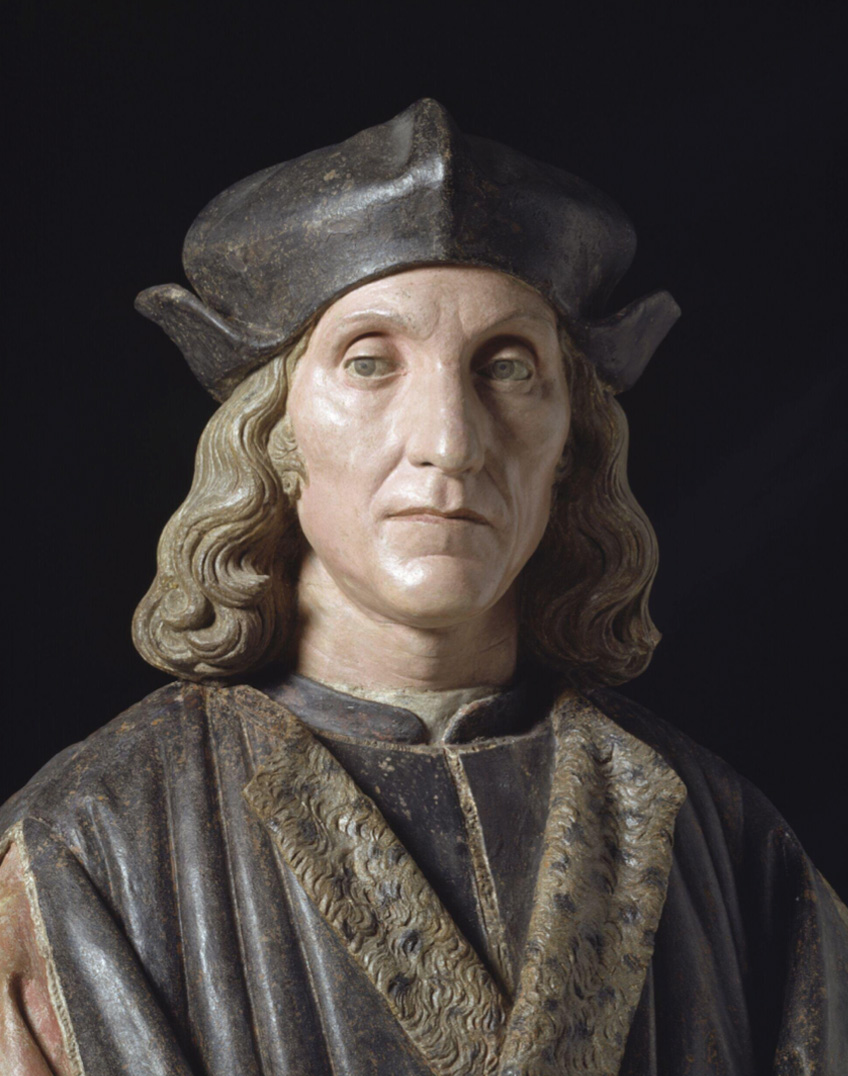
King Henry VII

Henry VII seems to be one of the most underrated of the medieval kings even though he was never expecting to be King and took England into the Renaissance after its civil war.

Henry was born in 1457 to Edmund Tudor, half brother of Henry VI, and Margaret Beaufort, great granddaughter of John of Gaunt Duke of Lancaster and son of Edward III. He was therefore Lancastrian on both sides and, by 1472 the leading Lancastrian claimant to the throne.

In the days of Yorkist domination under Edward IV he had to flee Wales to live in exile in Brittany, where there were several attempts to capture him and return him. His time in exile was well spent and he learned much through experiences not usually open to those in line for the throne.

When his opportunity to return eventually came he returned to Wales with a few men and gradually gathered an army that was capable of facing and defeating Richard III at Bosworth, making him the last English king to win his throne on the battlefield.

As a king he was prudent and conciliatory, healing many of the divisions of the Wars of the Roses both by his marriage to Elizabeth of York daughter of Edward IV and by pardons and arrangements made with former enemies. He eventually sealed his throne by winning the battle of Stoke Field in 1487.

He ruled as an effective king bringing in many administrative, legal and fiscal changes and increasing prosperity- leaving a full treasury for his son Henry VIII.

In The Towers of Eden Henry is in secret communication with the Shepherd Lord, who provides support from the spectral ladies to his attempts to retake the throne and stabilise the country.

Sign up to our newsletter

for updates and announcements and to secure your copy of the Book as soon as it is delivered

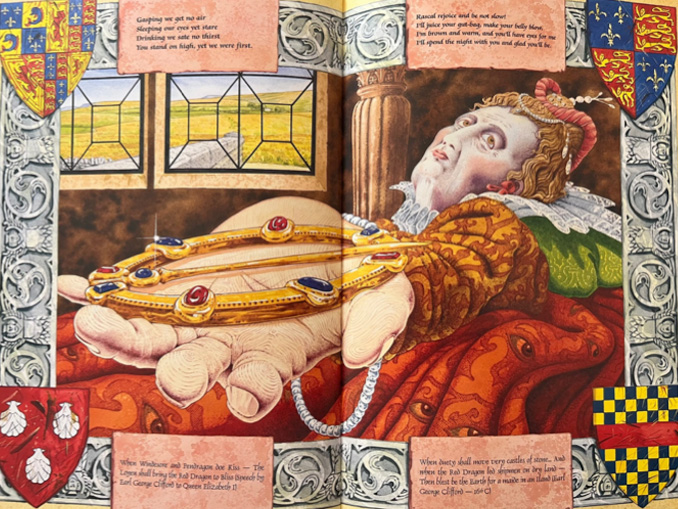
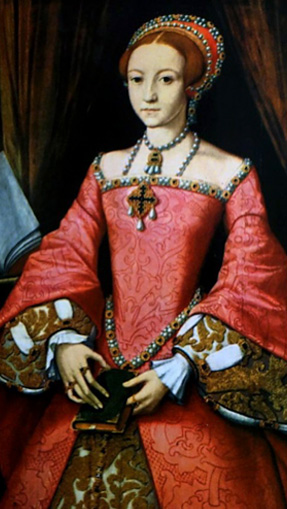
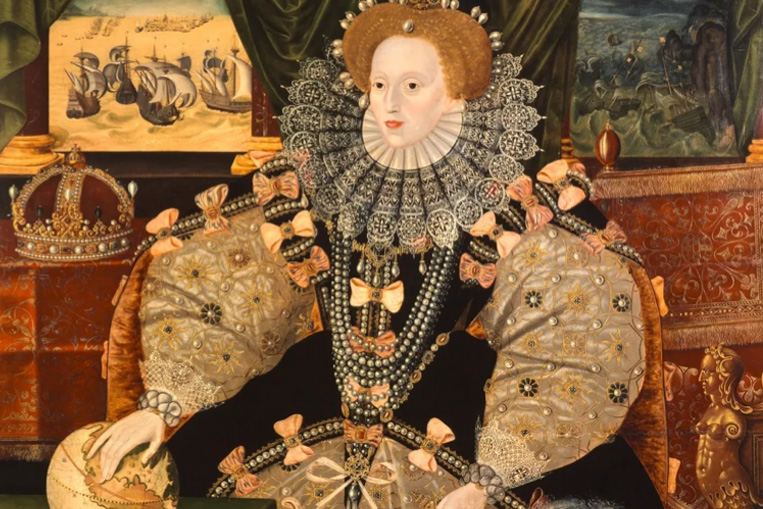
Queen Elizabeth I

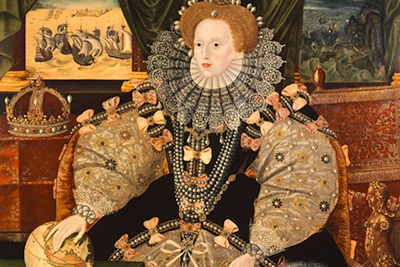
Queen Elizabeth is a very important character in The Towers of Eden just as she was in real life.

Born in 1533 as the daughter of Queen Anne Boleyn and King Henry VIII she was only two years old when her mother was executed and she was disinherited. She continued to live in the households of the various queens and later her half brother (later Edward VI).

Possibly her lack of a maternal bond made her focus more on her academic pursuits because she demonstrated intelligence and competence from a very early age, translation her step mother Katheryn Parr’s book “Prayers and Meditations” into Italian, Latin and French and presenting it to her father for Christmas when she was only 12.

Her common sense, diplomacy and intelligence (as well as a fair measure of luck) were to result in a 44 year reign which transformed England and brought it to the cultural heights never before achieved, in a period now known as the Elizabethan Era.

In the Towers of Eden the dramatic final meeting of Queen Elizabeth and Anne is one of the first stories in the book. It is true that Queen Elizabeth did know and like Anne (and that one of her maids of honour was the Countess of Warwick) and that Anne tried to take part in her funeral.

In the book it is Elizabeth who heals the rift in Britain by sacrificing her chance to have children and making King James of Scotland King of a United Kingdom of Great Britain following her death to safeguard Eden and end centuries of conflict.

Sign up to our newsletter

for updates and announcements and to secure your copy of the Book as soon as it is delivered

Roger de Clifford

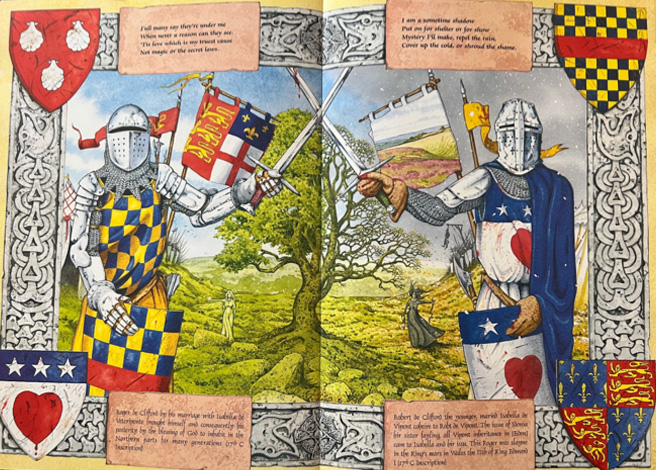
Roger de Clifford was the son of Roger de Clifford of Tenbury, brother of “Fair Rosamond” Clifford, mistress of Henry II (so it seems good looks ran in the family).

He grew up in the Welsh Marches at Clifford Castle in the troubled reign of Henry III and in 1263 is recorded as briefly joining rebellious Simon de Montfort with his friend Roger de Leyburn. Both later definitively changed sides and took part in the siege of Nottingham, taking prisoner Simon de Montfort the Younger. He was rewarded with the command of the castle of Gloucester and became sheriff of that county, and also gained the post of Justice of the Royal Forests south of the Trent. He was taken prisoner at the Battle of Lewes, but was among those who were released on condition he appearing before parliament when summoned. Once free he raised an army for the King in the Welsh marches, and with Roger de Mortimer succeeded in reducing Gloucester, Bridgnorth, and Marlborough. Summoned by parliament in accordance with his promise to give an account of his conduct and failing to appear, he was declared an exile.

In the spring of 1265, the rescue in The Towers of Eden occurred. Clifford also distinguished himself at the Battle of Evesham in August of the same year. In recognition of his services the King granted him large estates in Warwickshire and Leicestershire, and put him in possession, jointly with Roger de Leybourne, of the estates in Eden which had belonged to Robert de Vipont as told in the tales of The Towers of Eden. He obtained the hand of Isabella, Vipont's elder daughter and coheiress, for his son Roger, and Leybourne married her younger sister Idonea. In 1270 Clifford joined the Crusade under Prince Edward, travelling with the Prince to the Holy Land and he was one of the executors of the will made by the Prince at Acre in 1272.

On the outbreak of the last Welsh insurrection against Edward he was surprised in Hawarden Castle by David, brother of Llewelyn, and taken prisoner, though not before he had been severely wounded . The rest of the garrison was put to the sword and he was carried to Snowdon. His son Roger was killed in 1284 on campaign in Wales whilst crossing a bridge of boats over the Menai Straits, a sudden attack of the Welsh having thrown the English forces into confusion. Roger de Clifford probably died about 1285, he was followed by his grandson Robert, daughter of his son Roger and Isabel de Vipont.

Sign up to our newsletter

for updates and announcements and to secure your copy of the Book as soon as it is delivered

Robert de Clifford

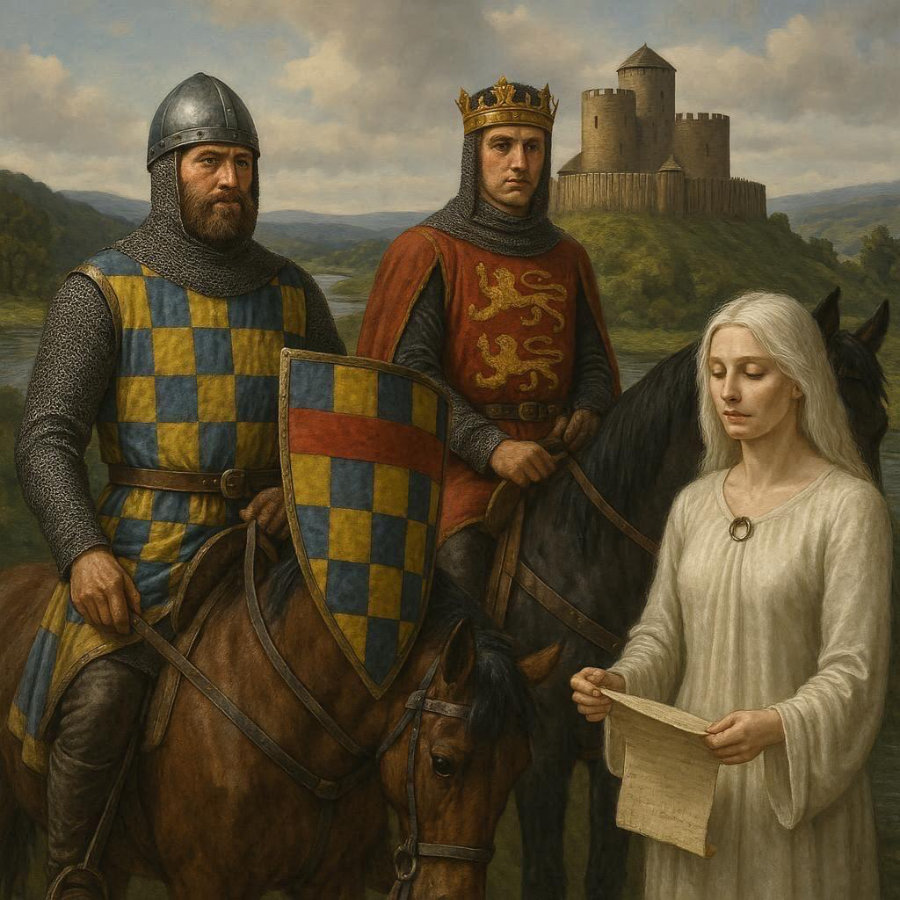
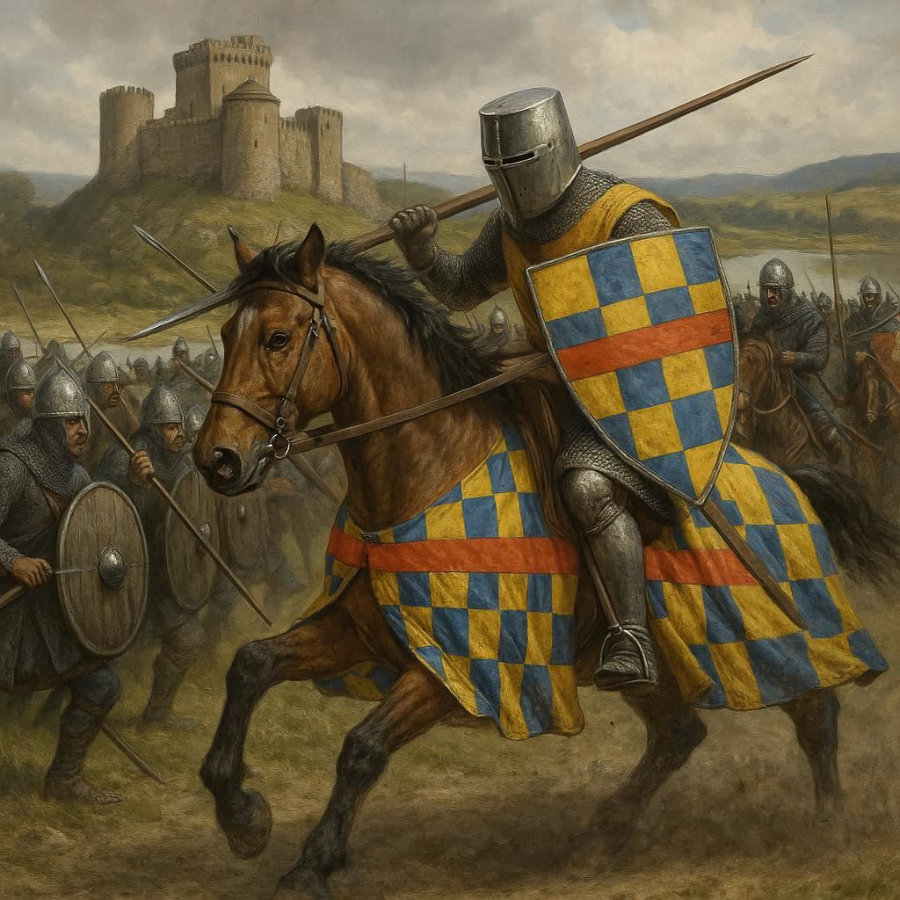
"Strength from wisdom drawing, Robert Lord de Clifford's mind is bent on his enemies' subjection. Through his mother his descent comes from that renowned Earl Marshal at Constantinople, said to have battled with a unicorn and struck the monster dead. All the merits of his grandsire, Roger, still in Robert spring. Of no praise is he unworthy; wiser none was with the King. Honoured was his banner, checky gold and blue, a scarlet fess. Were I maiden, heart and body I would yield to such noblesse!“ Heralds of the Caerlaverock Roll 1300

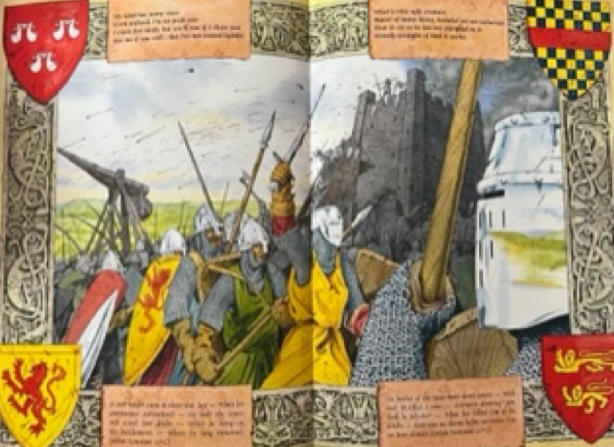
Robert was the son of the Union between Roger Clifford and Isabella de Vipont, heiress of two of the Towers of Eden. During the reigns of the English Kings, Edward I and Edward II, Clifford was a prominent soldier. In 1296, he was sent with Henry de Percy to quell the Scots who asked for terms of surrender at Irvine. He was then appointed Governor of Carlisle. During the reign of King Edward I, who had been a firm friend of his grandfather, he was styled Warden of the Marches, and during the reign of King Edward II, as the first Lord Warden of the Marches. In 1298, he fought for King Edward I at the Battle of Falkirk, in which William Wallace was defeated, for which he was rewarded with Governorship of Nottingham Castle. In 1299, he was created Baron de Clifford and summoned to Parliament. He won great renown at the Siege of Caerlaverock Castle, in 1300, at which his participation was recorded by the heralds with the words above.
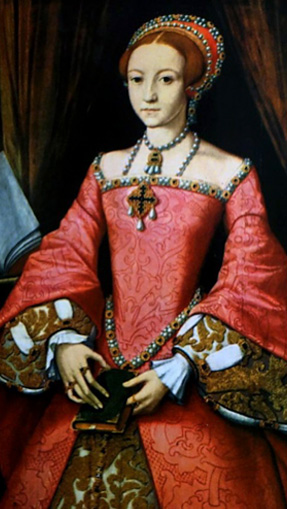
After the death of King Edward I, in 1307, he was appointed counsellor to his son, King Edward II, together with the Earl of Lincoln, the Earl of Warwick, and the Earl of Pembroke. In the same year of 1307, the new King appointed him Marshal of England. In March 1308, he was relieved of the marshalcy, the custodianship of Nottingham Castle, and of his Forest justiceship, but in August 1308, he was appointed captain and chief guardian of Scotland. In 1310, King Edward II granted him Skipton Castle, and he was given the feudal barony of Skipton in Yorkshire. He also gained the other two Towers of Eden as a result of the death without children of Idonea de Vipont, his aunt and the other Vipont heiress. In 1312, together with the Earl of Lancaster he took part in the movement against Piers Gaveston, King Edward II's favourite, whom he besieged at Scarborough Castle (which might account for his earlier fall from royal favour).

Robert de Clifford died fighting at the Battle of Bannockburn on 24 June 1314. He was killed in a cavalry charge against Scottish spearmen on the second and main day of battle.

Sign up to our newsletter

for updates and announcements and to secure your copy of the Book as soon as it is delivered

John 9th Lord Clifford

“Had thy brethren here, their lives and thine Were not revenge sufficient for me; No, if I digg'd up thy forefathers' graves And hung their rotten coffins up in chains, It could not slake mine ire, nor ease my heart. The sight of any of the house of York Is as a fury to torment my soul;”

Shakespeare Henry VI Part 3, Act 1 Scene 3

Shakespeare clearly had the measure of John Clifford, the fierce young Lancastrian soldier who had watched his father being killed and mocked at the first battle of St Albans in 1455, and declared a vendetta against the House of York as a result.

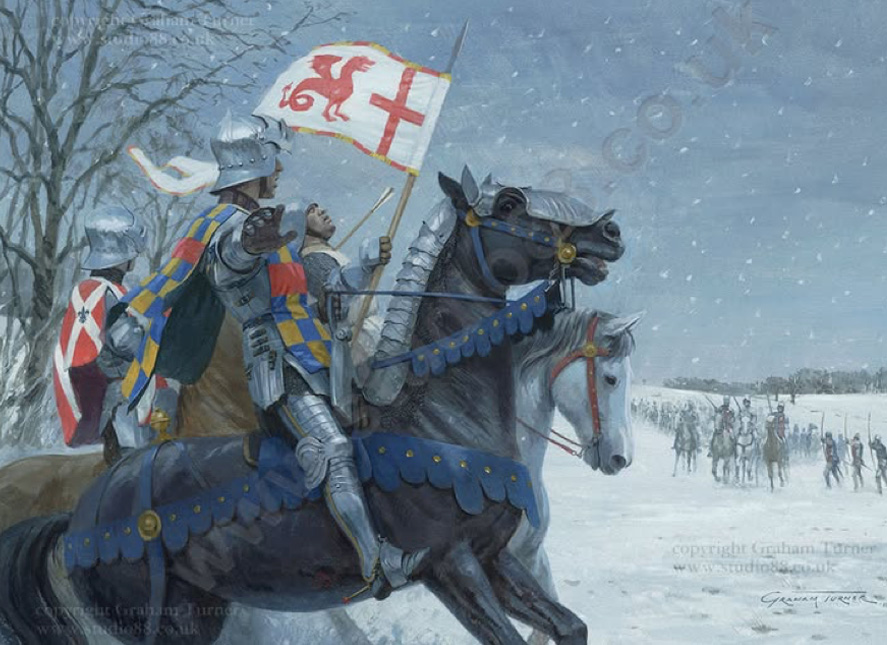
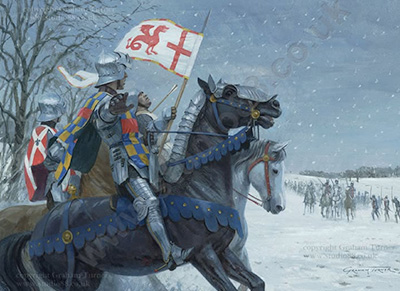
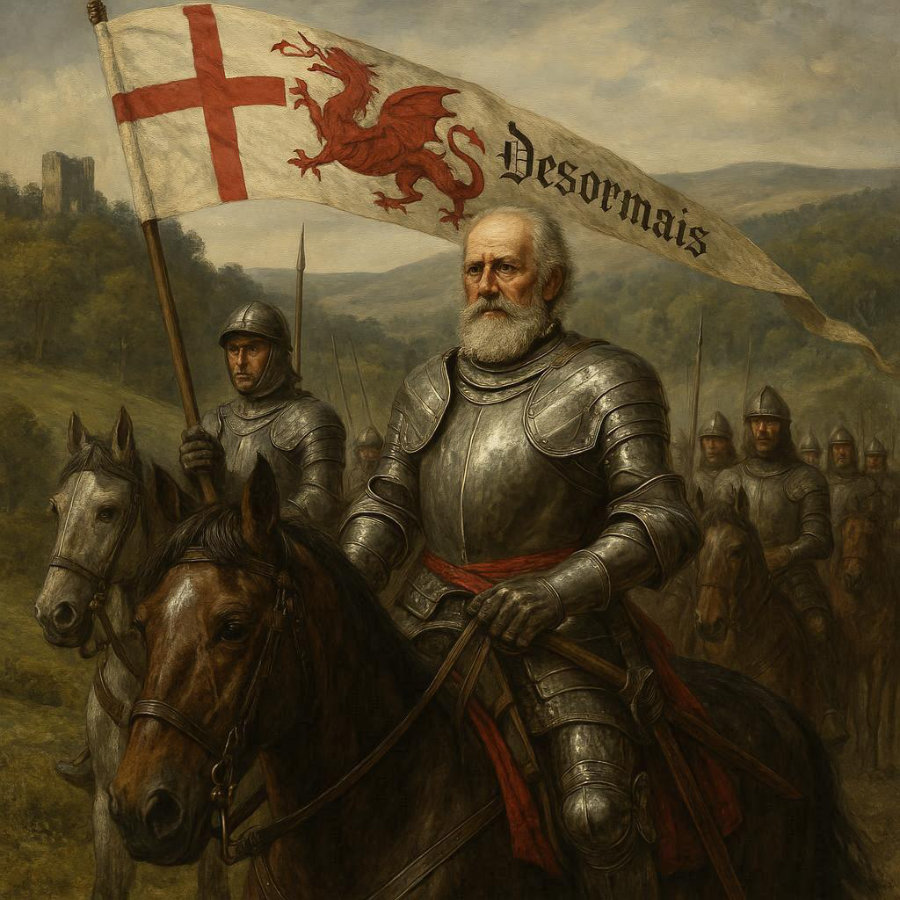
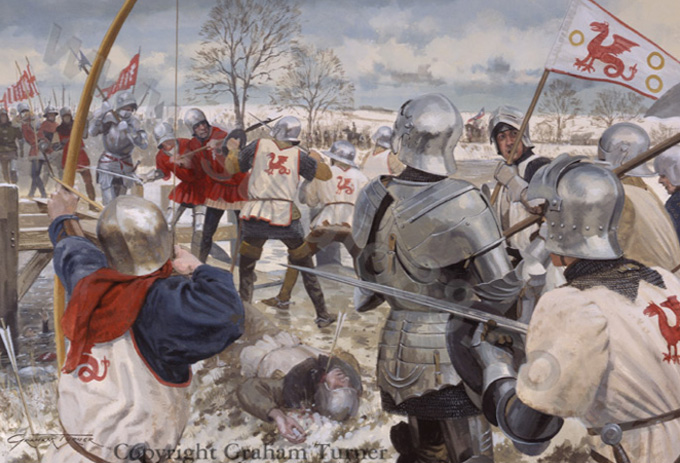
This was the period just after the 100 years war, in the late medieval times, when gothic culture reached its final flowering and knights actually wore full plate shining armour. John was an ardent soldier and led a tight bunch of men “the flower of Craven” under his banner of a red wyvern.

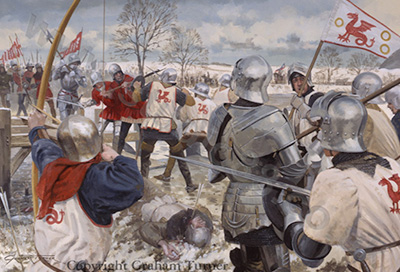
He was appointed by the Lancastrian Queen Margaret, wife of Henry VI, as one of her military commanders and was successful in several battles, including Wakefield in 1460 and the Second Battle of St Albans in 1461. He achieved his revenge at Wakefield with the death of Richard Duke of York, whose head, adorned with a paper crown, was set up on the gates of York and whose youngest son the Earl of Rutland, age 17, was also killed. However, the following year Clifford and his men were encircled and trapped by a superior Yorkist force whilst holding the bridge at Ferrybridge. Although they managed to fight their way out, John was killed by an arrow as he paused to refresh himself and took of his protective neck armour. Next day the Lancastrian army were annihilated at the Battle of Towton and York’s eldest son, the Earl of March took the throne as Edward IV, eventually having the simple Henry VI murdered in the Tower of London.

John’s lands, including the Towers of Eden, were seized and his widow wisely sent her two young sons into hiding to avoid Yorkist wrath.

The Battle of Ferrybridge, painting by Graham Turner (c)

Sign up to our newsletter

for updates and announcements and to secure your copy of the Book as soon as it is delivered

Henry Clifford 10th Lord

Henry Clifford was about six years old when his father was killed and the Clifford Estates were forfeited to the Yorkists. There is some debate as to exactly what happened to him and his younger brother after this but it seems that his brother was sent abroad while he remained in England, probably carefully concealed from any vengeful Yorkist. He was pardoned by Edward IV in 1472 but it was not until a new Lancastrian king and new dynasty appeared after Bosworth that Henry fully emerged, appointed by a king who needed a fresh generation of loyal servants.

Henry forged a good relation with the Tudors and often served them when trouble occurred - most notably at the Battle of Flodden in 1513 when he was part of the English Army which defeated the last major Scottish invasion of England.

Despite the recovery of his lands and titles Henry remained a simple man of the north, and was often blunt and abrasive which led to turmoil with neighbours and a turbulent family life. He was also frugal and careful and avoided court which helped him to build up the Clifford resources and pave the way for his son to be made an Earl.

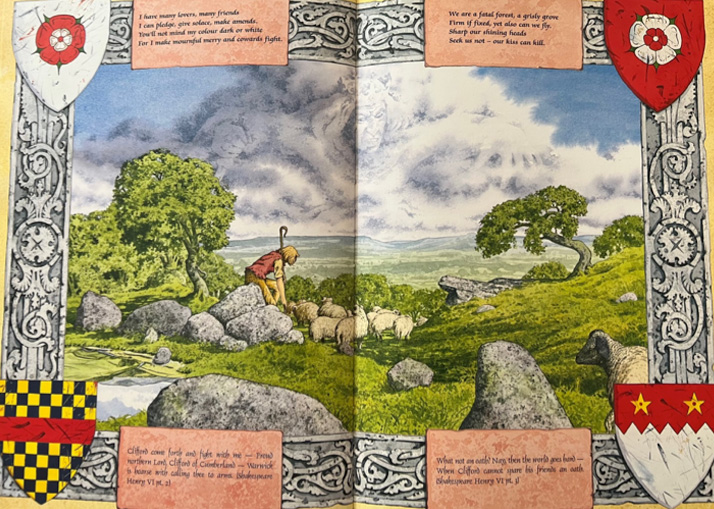
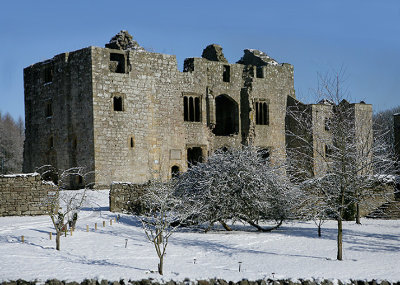
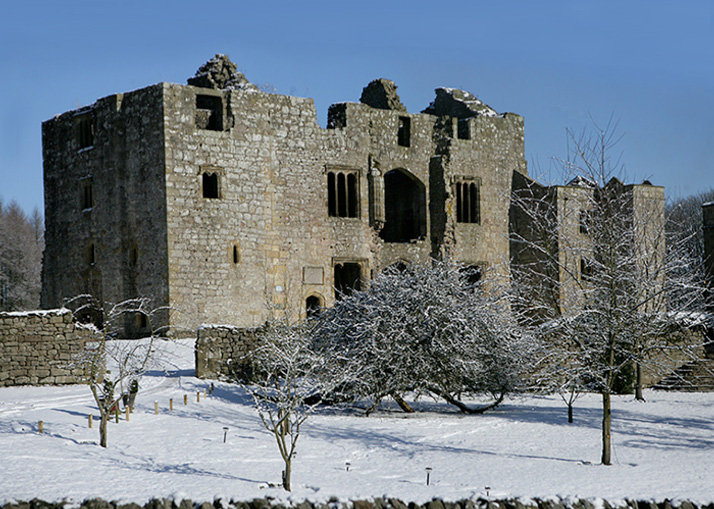
Surprisingly after his strange upbringing Henry was intellectually curious and appreciated astronomy and the sciences. To pursue his interests, he build a lodge at Barden just near Bolton Abbey which he used as an observatory and centre for his own researches. He probably died there in 1523 aged nearly 70, one of the first Clifford to have died in his bed for several generations.
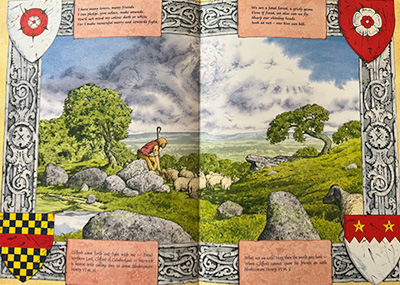
In the world of The Towers of Eden the shepherd lord was brought up in the sanctuary of Eden by one of the spectral ladies, who guided his contact with the Tudors and encouraged his curiosity. Henry in his wizard’s tower was responsible for suggesting a United Kingdom to prevent future conflict and unite the people of the borders - finally protecting Eden and its secret.
Sign up to our newsletter

for updates and announcements and to secure your copy of the Book as soon as it is delivered