Lady Anne Clifford

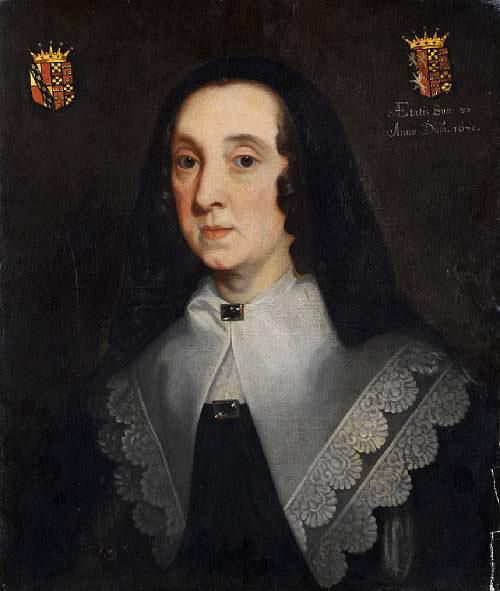
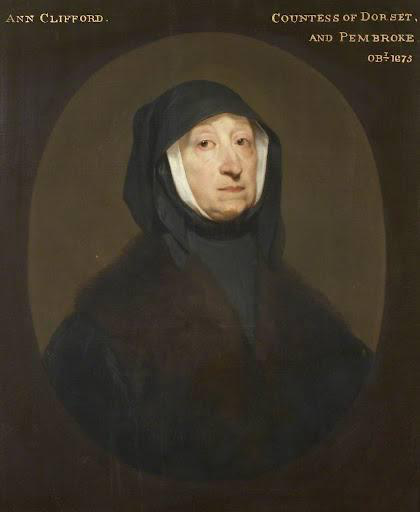
Anne Clifford is the main character of The Towers of Eden story. She was indeed a remarkable woman who lived to the great age (especially in her time) of 86 years old. She was born in 1590 in the reign of Queen Elizabeth I of England, and died in 1676 in the reign of King Charles II, which must resonate with most of us who have lived through the reign of Queen Elizabeth II and now live in the reign of King Charles III.

We have a considerable knowledge about Anne because in this time when records and diaries were becoming more common, she left her own diaries and notes (including her own “Greate Bookes” of her family, estates and times). We also have portraits and records about her from third party sources.

Much of The Towers of Eden is based on actual events, although there were unfortunately (as far as we know) never any spectral ladies hidden in the Lake District. She was lively and bright as a child (you can see some of her childhood recollections in the chronicle sections of the Book and a copy of a letter written by her to her parents in the chronicle section of the website) and wise and strong as an old lady.

She was indeed the daughter of a special Elizabethan couple, George Clifford, 3rd Earl of Cumberland and Margaret Russell, daughter of the Earl of Bedford (see biographies below), and when her two brothers died in childhood she was left as the only child. She seems to have grown up in a female dominated household as her parents were separated.

Much of her life was spent trying to recover her Clifford inheritance which her father had left to his brother rather than to her, and this was only finally achieved in 1643 when she was in her 50s, although she was not to be able to return to the North because of the Civil War until 1649.

She was particularly notable as a woman in a mans world trying to stand up for herself, and stand up for herself she did, apparently refusing to give in to King James direct order to her to surrender her lands when she knelt before him, refusing the demands of her husband to let him cash in her rights, and later standing up to Cromwell when he threatened to pull down the castles she was repairing saying ““Let him destroy them if he will, but he shall surely find that as often as he destroys them, I will rebuild them while he leaves me a shilling in my pocket!”.

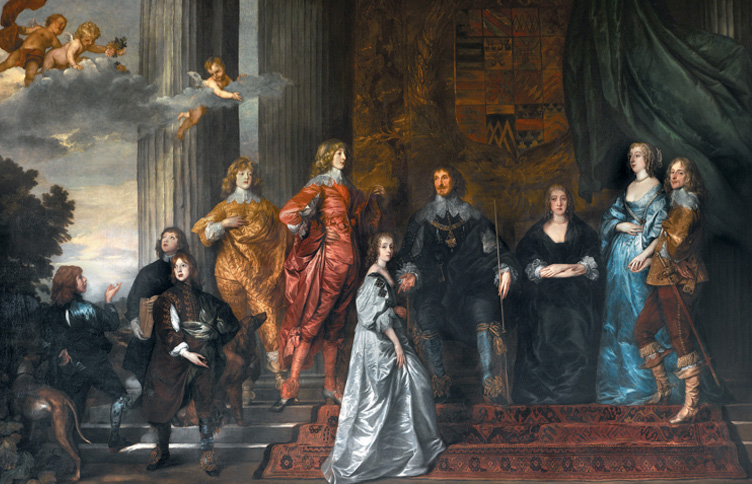
She was a supporter of many artists, craftsmen and writers, having had a good education from some of the better talents of her times including Samuel Daniel and John Donne, who said of her that she could "discourse of all things from Predestination to Slea-silk". There are several images of Anne remaining, varying from the images of her as a child and old woman in her “Great Painting” by Jan Belcamp, to the gloomy portrayal of her in Van Dyck’s painting of the Herbert Family (see Philip Herbert below) and the portraits of her in her youthful prime by Larkin, Peake and others.

In the end Anne overcame all her obstacles and settled into a comfortable and happy old age in her estates in Eden. She had two surviving daughters who married and the eldest of whom, Margaret, had eleven children. In many ways Anne was the last of her kind, an old-style noblewoman who travelled between her castles and estates and restored her ancient buildings. Her descendants, starting with her grandson the Earl of Thanet, took a more modern view and focussed on only one of the Towers of Eden, allowing the others to fall into disuse. With the coming of the United Kingdom Eden had ceased to be a threatened border region and become the place of Romance and imagination it is today, so the Towers were no longer relevant for defence.

Anne’s legacy took many forms, from the buildings which still bear her mark and survive because of her, to the writing and books which give us an insight into her time, to her example of being a strong independent woman in what was a mans world. The real Anne is the inspiration for the story of The Towers of Eden, but we should recognise that the Anne of the story is a fictional character and that the real Anne would have doubtless not have approved of some of the things done by her fictional counterpart. Nevertheless, whether we are children or in advanced years we can all learn from Anne’s patience, resilience and determination, and let’s hope we all find safe haven at the end of our lives as she did. At her death her full title was Lady Anne Clifford, Dowager Countess of Dorset, Pembroke and Montgomery, Baroness Clifford and Hereditary High Sheriff of Westmoreland.

Sign up to our newsletter

for updates and announcements and to secure your copy of the Book as soon as it is delivered

Margaret Clifford

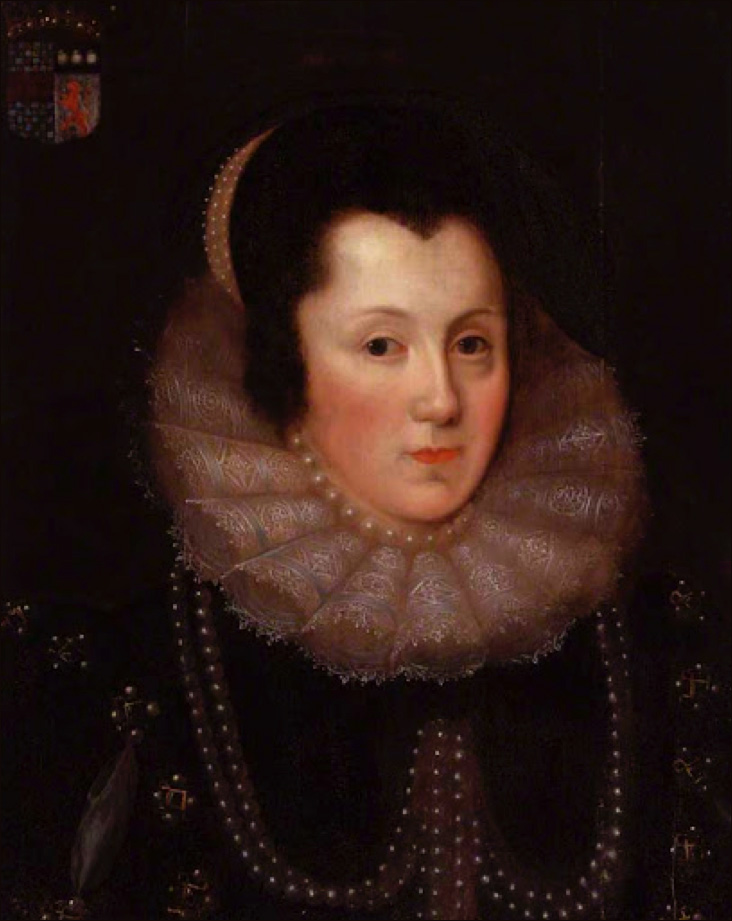
Margaret Clifford (née Russell) was Anne’s mother and Countess of Cumberland.

She spent much of her time at court and was at some times maid of honour to Elizabeth I, although she also frequently travelled north to her estates in Eden.

On 24 June 1577 she married George Clifford, 3rd Earl of Cumberland. Like her sister, Anne Russell, Countess of Warwick (“Aunt Warwick” in The Towers of Eden), she was a great literary patron and read widely, encouraging artists and poets, including the female poet Emilia Lanier. She was also known to have been interested in physic (medicine) and alchemy, and to have had an alchemical recipe book compiled for her. Due to her unhappy marriage, she had time while she was alone in the north to follow a broad range of academic studies as was common at the time, where she lived at the Tower of Fire. She also founded Beamsley Hospital, an alms house originally intended for 12 sisters and a mother (in the world of The Towers of Eden this was a tribute to the 12 spectral ladies).

Margaret was close to her daughter Anne, who was her only surviving child after the sad early death in childhood of her two sons, and devotedly defended her daughter’s rights after the death of her husband and his unexpected transfer of the family lands in Eden to his brother (which happened in a will changed only shortly before his death). To further support her daughter she helped Anne to become a favourite of King James’ Queen Anne (who was often at odds with the strange King) and then started the case on Anne’s behalf to reclaim Anne’s inheritance in Eden using ancient customs and laws, some which dated back to the time of Edward II.

Margaret died on 24 May 1616 at the Tower of Fire. Anne was devastated by her mother’s death and later set up a pillar to mark the place where they last said goodbye. Margaret’s ornate tomb and effigy can be seen at St Lawrence's Church, Appleby near the tomb of Lady Anne herself.

Sign up to our newsletter

for updates and announcements and to secure your copy of the Book as soon as it is delivered

Countess of Warwick (“Aunt Warwick”)

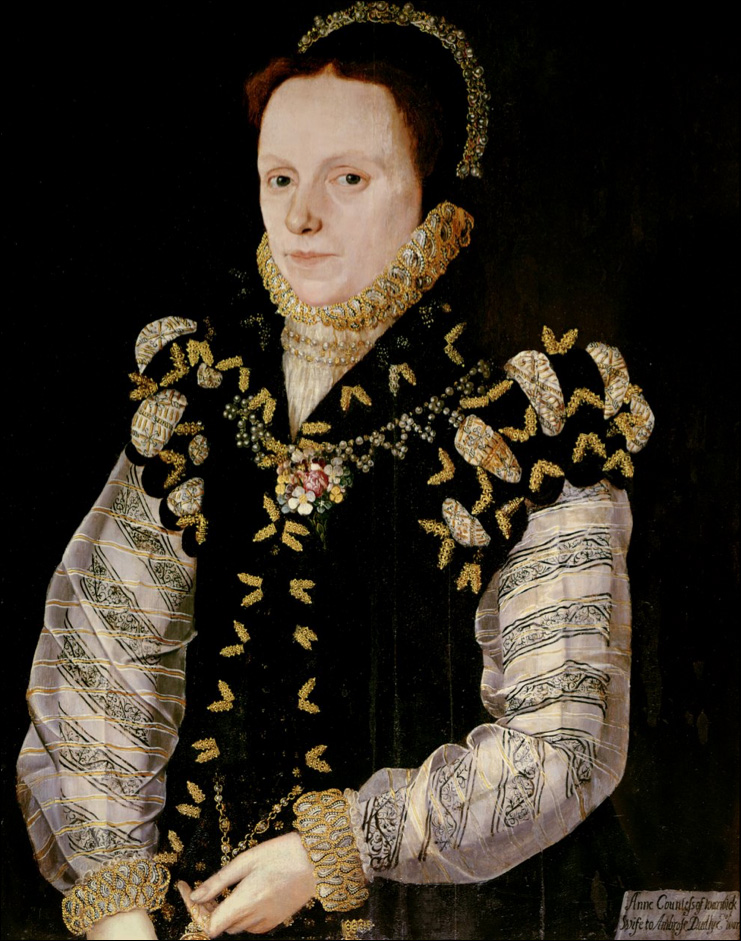
Anne Russell, Countess of Warwick, was Anne’s Aunt and, in the Towers of Eden, her tutor.

Anne was the married to the older brother of the Earl of Leicester Robert Dudley, (Queen Elizabeth’s favourite), who was 20 years older than her. They had no children although the marriage turned out to be a happy one.

Aunt Warwick was a patron of arts, including the poet Edmund Spenser, and knew Shakespeare to whom she sold a cottage.

Countess Warwick herself was also popular with Queen Elizabeth, perhaps because of her strictness. She became a favoured Lady in Waiting to the Queen, and was one of the few to attend the Queen as she lay on her deathbed at Richmond in March 1603.

After Elizabeth’s death she was well received by the new King James and his Queen Anne, but was seen as part of the past “something ill and melancholy” and so left court and retired to her country estate where she died the following year.

In The Towers of Eden “Aunt Warwick” takes the young Anne to Richmond where Queen Elizabeth is dying and where Anne escapes her supervision to meet the Queen and start her lifetime of adventures in Eden.

Sign up to our newsletter

for updates and announcements and to secure your copy of the Book as soon as it is delivered

George Clifford 3rd Earl of Cumberland

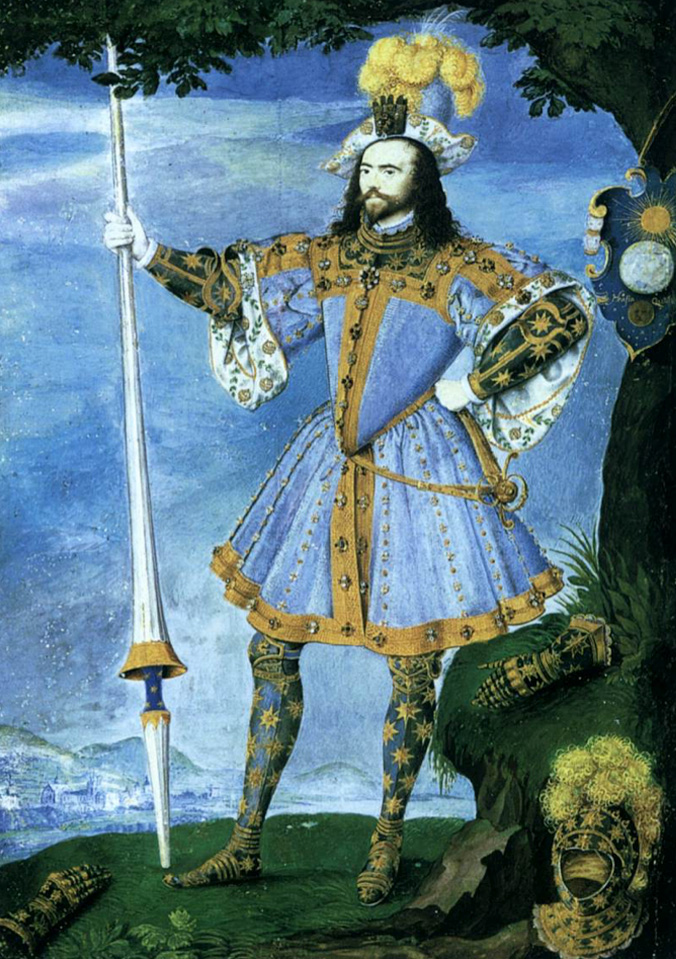
George Clifford, 3rd Earl of Cumberland, was one of the most notable of the gallants at the court of Queen Elizabeth I and was Lady Anne’s father.

He had inherited his title at a young age but spent most of his youth as the ward of his future father-in-law the Earl of Bedford who married him to his daughter Margaret.

George Clifford was described as a man of great personal beauty, strong and active, accomplished in all knightly exercises, splendid in his dress, and of romantic valour but he was also accused of being a womaniser and a spendthrift and spent a lot of time separated from his family. In 1590 he became Queen Elizabeth’s jousting champion and in 1592 he was made a knight of the garter. He also sat as a peer at the trial of Mary Queen of Scots.

At other times In typical Elizabethan style, he took to the sea and became one of the swashbuckling English sea captains of the period and was popular with his men. He commanded the Queen’s ship “Elizabeth Bonaventure” for a while during the war with Spain and fought the armada in 1588 while in command. He also captured a rich Spanish galleon (Madre de Dios), blew up another (Cinco Chagas) and led an expedition to capture Puerto Rico. His own ships were called the “Malice Scourge” and the “Red Dragon”.

He and Margaret had three children: two boys (both of whom died as infants under five) and Lady Anne. All of these are commemorated in the “Great Painting” of the Clifford family which previously hung at the Tower of Water. His Greenwich jousting armour was also kept at the Tower of Water until it was sold to a US buyer in the 1920s, eventually finding its way to the Metropolitan Museum in New York where it can be seen today.

George does not appear personally in tales of The Towers of Eden as he died young and did not spend much time in his northern estates, but he casts a long shadow throughout the stories. His daughter was to show many of his positive characteristics in her long struggles.

Sign up to our newsletter

for updates and announcements and to secure your copy of the Book as soon as it is delivered

Richard Sackville 3rd Earl of Dorset

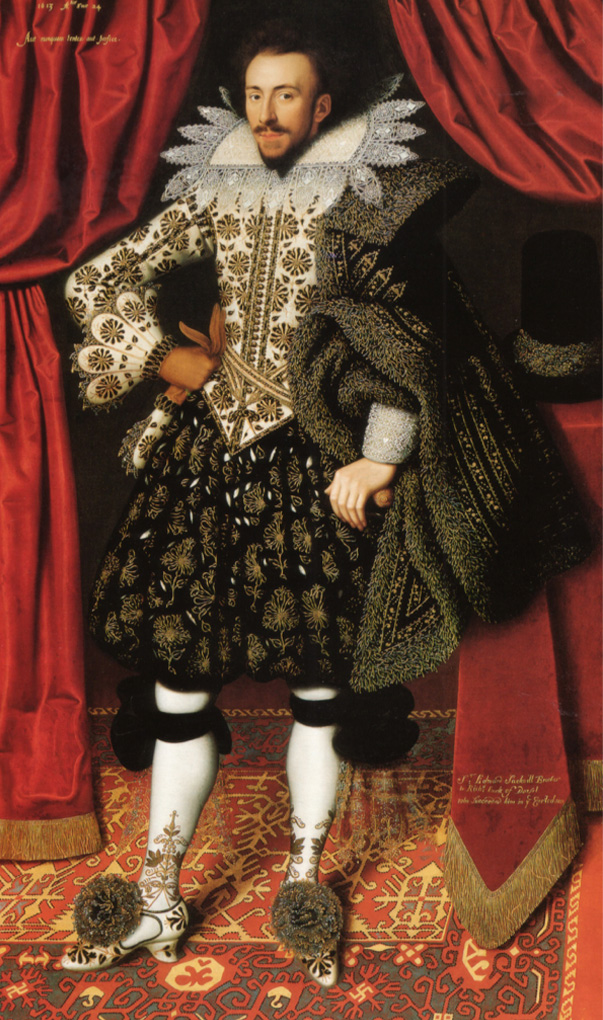
Richard Sackville 3rd Earl of Dorset was born in 1589 in London and succeeded his father as Earl of Dorset in 1609 just after he married Lady Anne.

Richard was popular with James I and served as Lord Lieutenant of Sussex. His marriage to Anne was not a success, although it started as a love match, this was mostly because of their radically different characters. Anne had a strong personality and clear goal in life, whereases Richard was flippant, reckless and extravagant. He was known as "one of the seventeenth century’s most accomplished gamblers and wastrels" (one look at his portrait helps to sum him up!)

In 1617, the year after the death of Anne’s mother, Lady Margaret, Richard obtained a large sum of cash from King James in exchange for signing away Lady Anne’s rights to her ancestral lands. He used this to pay his gambling debts, having put Anne under severe pressure including taking her wedding ring and threatening to remove her remaining children from her. Anne still refused to give in and accept Jame’s settlement and was put under further pressure, but luckily was supported by Queen Anne. At other times Richard could be kind and protective, as when he threatened to duel her uncle and cousin for threatening her over the surrender of her rights in Eden after their respective retainers has clashed and fought.

Richard died in 1624 and was succeeded by his younger brother who disliked Anne. This led to a long period of unhappiness and exile for Anne, which only ended when she remarried and finally inherited her estates in Eden..

Sign up to our newsletter

for updates and announcements and to secure your copy of the Book as soon as it is delivered

Philip Herbert

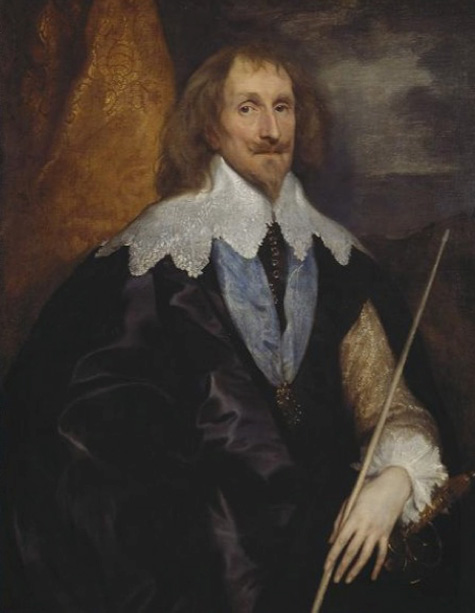
Philip Herbert, 4th Earl of Pembroke and 1st Earl of Montgomery, KG, KB, PC was Anne’s second husband and a notable English courtier, nobleman, and politician active during the reigns of James I and Charles I and the Commonwealth period. Philip and his older brother William were great patrons of the arts and are known as the 'incomparable pair of brethren' to whom the First Folio of Shakespeare's collected works was dedicated in 1623.

Philip had been active at court as a young man and was a favourite of both James I and Charles I, eventually rising to be the King’s chancellor. But Herbert was also known for his violent temper and assaults on his fellow courtiers and several times had to be saved from trouble by his royal patrons (James was also rumoured to have had a physical relationship with him).

Herbert married Anne in 1630 and the couple lived in London and at his magnificent house at Wilton. A painting by Van Dyck at this time shows a miserable and detached Anne standing next to Herbert amidst the rest of the family – clearly a fish out of water in these surroundings.

At the outbreak of the Civil War Herbert turned his back on the King and supported Parliament becoming a major Parliamentary peer, although he remained a moderate Christian rather than joining one of the fanatique sects. It is probable that he felt he could play a role in negotiating a settlement between the King and Parliament. When the King was finally brought to trial Herbert played no part, but was appointed Constable of Windsor Castle while the King was there before his execution, effectively making him Charles’ jailer.

After the King’s execution the tide of the political times swept Herbert further into the increasingly radical changes. He was appointed as Chancellor of Oxford University in 1641 and 1647, and imposed the Parliamentary agenda on the University, although his personal academic shortcomings made him the subject of satire by royalist opponents.

He and Anne did not spend much time together as their views and temperaments were radically different, but her marriage to him would have protected her from persecution for her royalist sympathies.

Herbert died in 1650 leaving Anne free to return to the North and finally focus on rebuilding the Towers of Eden.

Sign up to our newsletter

for updates and announcements and to secure your copy of the Book as soon as it is delivered

Captain Jenkinson (Robert Atkinson and Mathew Hopkins)

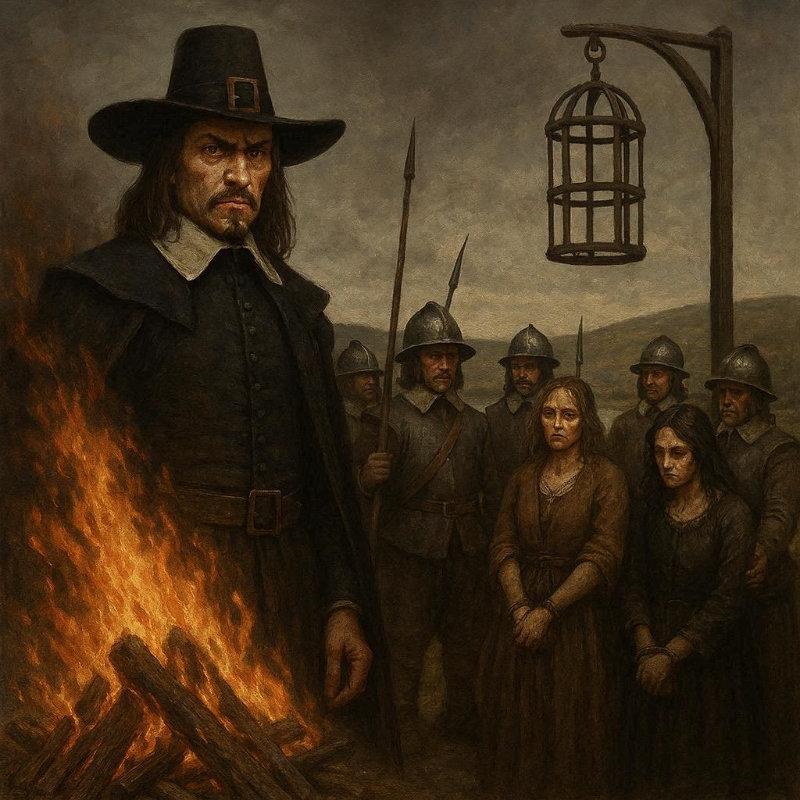
Robert Jenkinson is an amalgam of several historical characters, whose worst characteristics have been combined to give us the villain of the story (No doubt with the real characters who had their own reasons for their decisions in those troubled times).

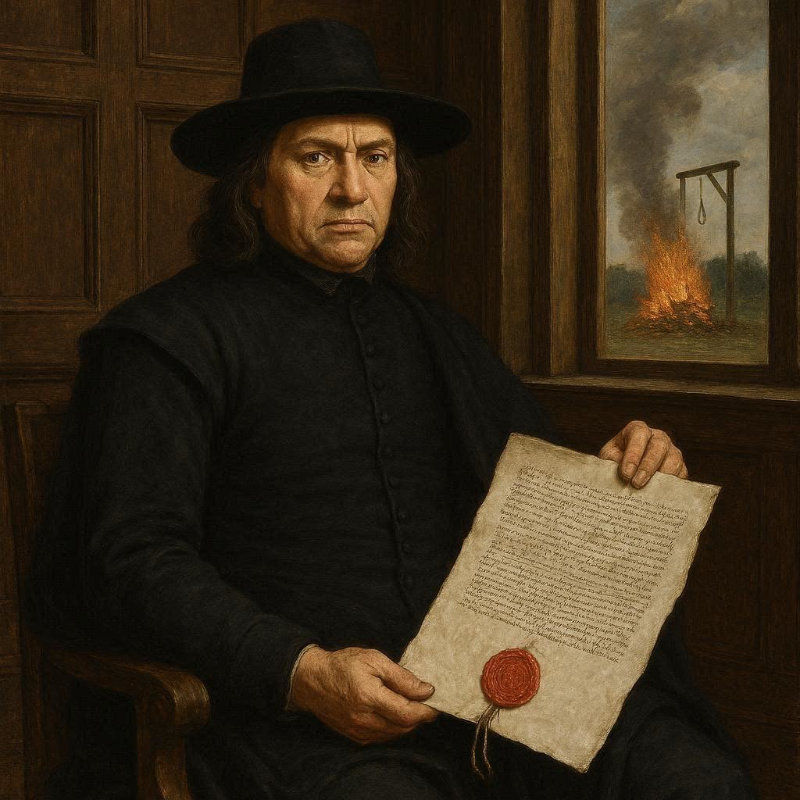
Jenkinson’s primary influence is Robert Atkinson, who Lady Anne Clifford describes as her ‘great enemie’. He lived at Dalefoot Farm near Kirby Stephen on her estates and fought for the Roundheads as a captain in the civil war. He became the Parliamentary governor of Appleby Castle from 1645-48, and despite the amnesty extended at the Restoration, he was implicated as one of the leaders in the Kaber Rigg plot against the King in 1663. After trying to save his life by turning evidence on his fellows, he was convicted of treason and hanged, drawn and quartered at Appleby in 1663. He seems to have been a presbyterian and lends himself to the part of witchfinder. He also seems to have been prepared to change his allegiances when it suited him and to have had a rather enhanced opinion of himself. Lady Anne later befriended his widow and allowed her to stay on at Atkinson’s Farm which can still exists at Dalefoot near the Tower of Earth in Mallerstang.

Jenkinson’s character also includes a little of the influence of Mathew Hopkins, one of the most notorious witchfinders active in this period. Hopkins and others like him would charge fees to towns and communities to discover “witches” most of whom were simple women and many of whom were tortured and hanged after being “discovered”. Hopkins methods included “pricking” which was a means of trying to pierce the skin to find a “devils mark”, drowning and submission to other tortures and ordeals. Witchfinders were a product of religious fanaticism of the civil war period and generally died out in England after the restoration as the Age of Enlightenment progressed. Hopkins was mostly active in Essex and East Anglia but there would have been men like him in Eden at this time.

In The Towers of Eden Jenkinson is responsible for torturing and murdering two of the spectral ladies and trying to accuse Anne Clifford of witchcraft before meeting his end after being found by Anne in rebellion at Kaber Rigg after the Restoration.

Sign up to our newsletter

for updates and announcements and to secure your copy of the Book as soon as it is delivered

Major General Harrington (Thomas Harrison)

One of the main villains in the Tales of the Towers of Eden, Harrington is also based on two characters, Major General Thomas Harrison, the Roundhead major general, regicide and fifth monarchist and the Scottish Witchfinder John Kincaid.

Thomas Harrison was a Roundhead soldier and religious fanatic who rose through the ranks and became a good friend of Oliver Cromwell. He was noted for his extreme views and severity and there were rumours of atrocities committed by him and his men in Wales and at the taking of Basing House. He guarded King Charles I in custody before his execution and was one of those who signed his death warrant. He supported Cromwell’s suppression of Parliament but fell out with Cromwell when he declared himself “Lord Protector”. He was later described as “One whom even his great Master himself looked upon as under a Dispensation, more terribly phanatical than any in his Host, terrible even to himself and his usurped power”.

Harrison took over Appleby Castle at one stage as it’s governor and came into sharp conflict with Lady Anne, as Bishop Rainbow noted at her funeral “being not able to make proof of [Anne’s treason] he would need know her opinion and dispute her out of her Loyalty, at a time when she slept and lived but at his mercy, giving her Alarums night and day when he listed”, but “She would not betray [her principles] at the peril of her life and fortune ..and so with her courage dulled the edge of so sharp an Adversary”. So, Anne’s interrogation in Appleby Castle is not far fetched - although historically it would have happened in 1651 not 1659.

John Kincaid was one of the main Scottish Witch hunters, active in the 1640s and 1650s in both Scotland and England who also used torture “pricking” and other fraudulent ways to find and execute innocent women for witchcraft. He was another product of religious intolerance and disappeared after the restoration.

Harrison (and Harrington) was finally tried and executed as a regicide in 1660, being one of the first regicides hanged, drawn and quartered (and apparently punching his executioner in the process), as observed and recorded by Samuel Pepys who noted “Out to Charing Cross, to see Major-general Harrison hanged, drawn, and quartered; which was done there, he looking as cheerful as any man could do in that condition. He was presently cut down, and his head and heart shown to the people, at which there was great shouts of joy”. Whatever his faults we have to acknowledge his courage and recognise that in those troubled times both heroes and villains believed in their cause and often who was who was solely a matter of perspective.

Sign up to our newsletter

for updates and announcements and to secure your copy of the Book as soon as it is delivered

Major Warcop (Sir Philip Musgrave)

The character Major Warcop is based on the royalist soldier Sir Philip Musgrave who lived at Eden Hall in Eden. His mother was Frances Wharton, daughter of Philip Lord Wharton whose brother (also Philip Lord Wharton) also influenced the character.

In The Towers of Eden, Philip rescues Anne from Jenkinson by virtue of his senior rank, but is subsequently arrested for his royalist sympathies. The real Musgrave fought for the King and was held in custody and exiled by the Parliamentary forces, by whom his lands were seized until the restoration. After the restoration he became a member of the “cavalier” Parliament and sat in Parliament until his death in 1678.

Musgrave was also given the task of putting down the Kaber Rigg Plot in 1663 and he was responsible for the capture and execution of Robert Atkinson (although not in such a dramatic way as in the Towers of Eden).

The “Luck” of Edenhall, a beautiful glass cup, was first mentioned in his possession at his home of Eden Hall (although it is much earlier) and in the world of The Towers of Eden was given to him by the spectral ladies in thanks for his support of Lady Anne.

He was offered a peerage as Baron Musgrave but did not take it up. The real Sir Philip Musgrave died at Eden Hall at the age of 70.

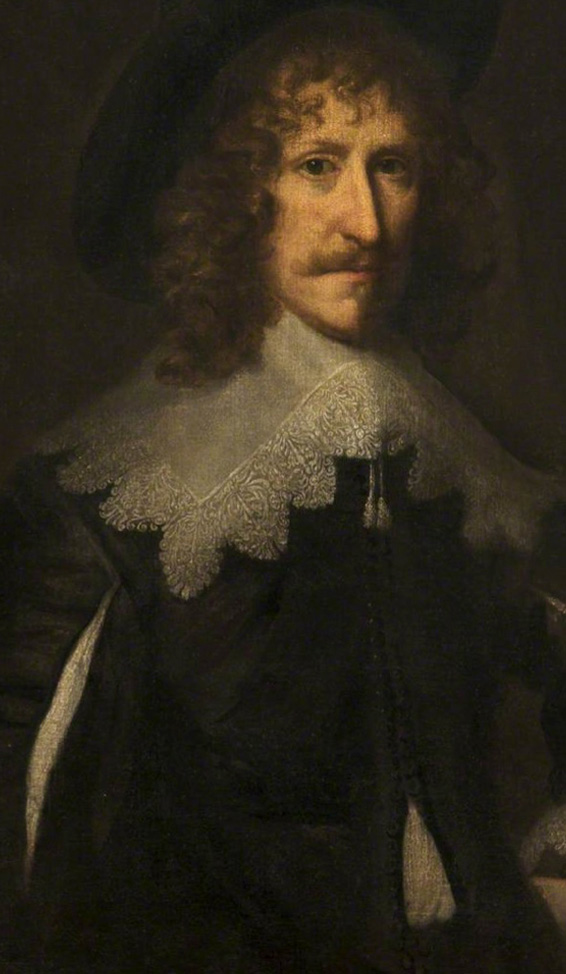
(Note; the portrait is a cavalier gentleman not Musgrave himself of whom no likeness remains)

Sign up to our newsletter

for updates and announcements and to secure your copy of the Book as soon as it is delivered